Tours vs Going Up on Your Own
You do not need to pay for a volcano tour to see Stromboli erupt. What you get free is lower and slower, and that is the whole trade.
What costs nothing
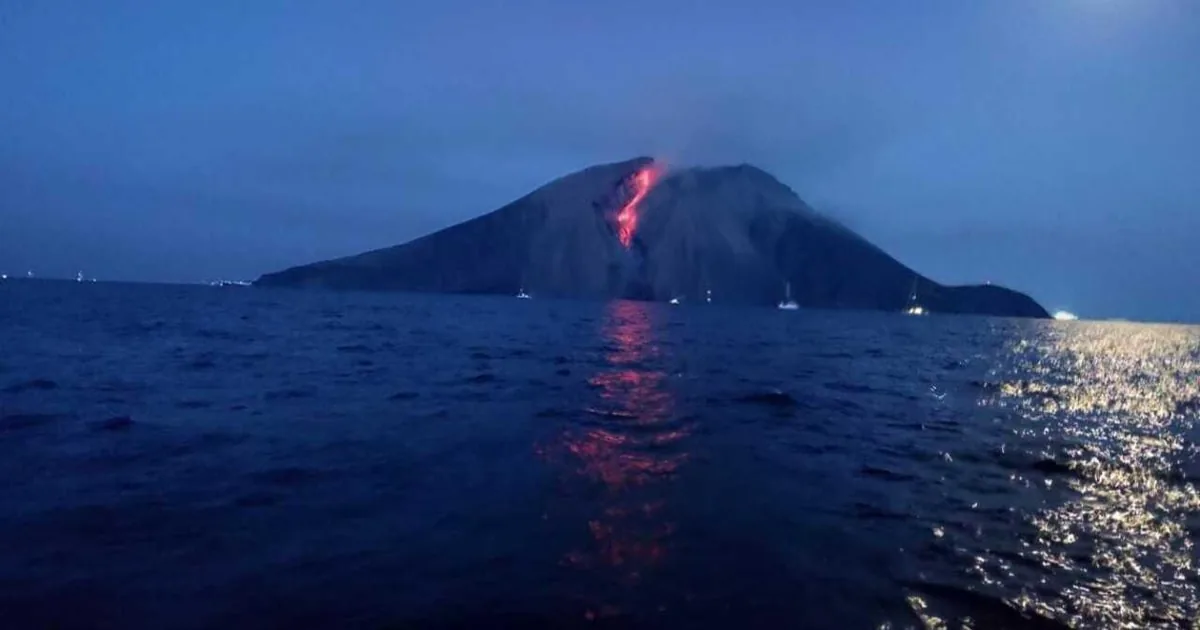
Paths up to 290 m above the village are free and need no guide. The Belvedere near the old cemetery, at about 190 m, sees the night glow and costs only the walk. Bring a torch for the path back down.
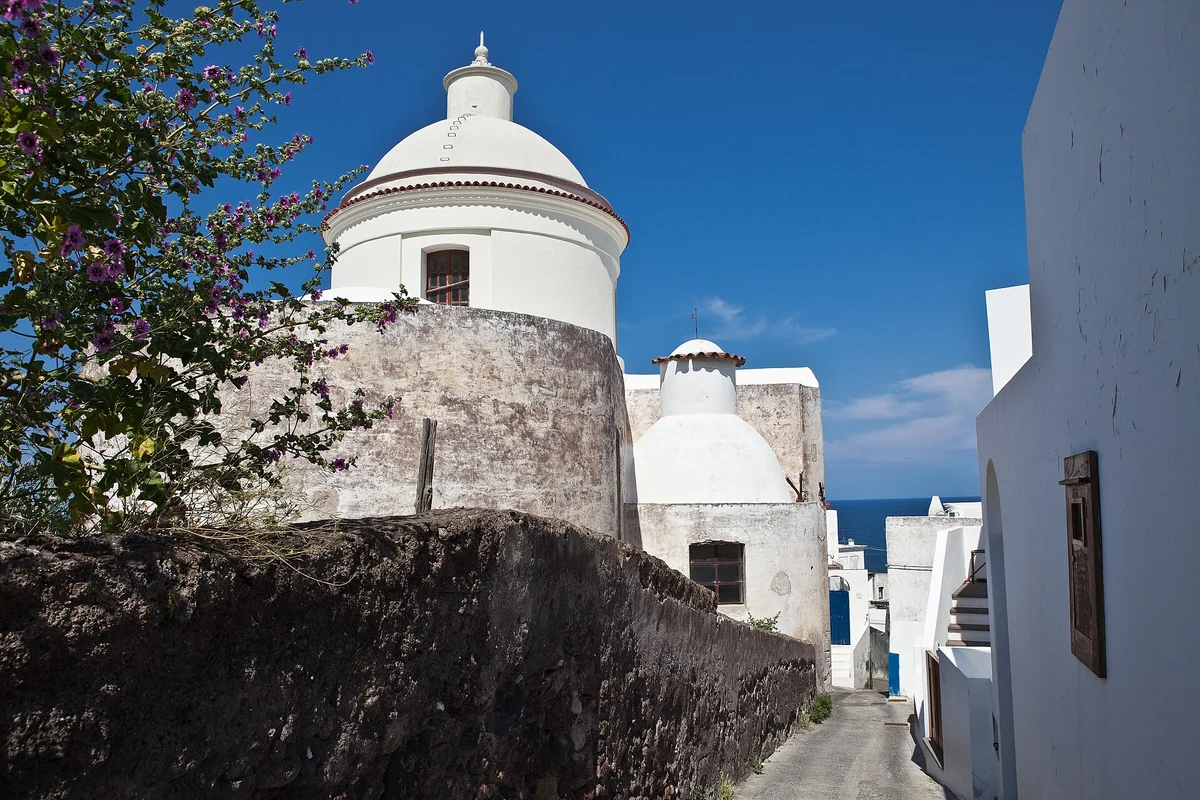
This free zone is not a token gesture. From the Belvedere you look straight up the village side towards the crater area, and on a clear night the glow and the shape of the bursts read clearly. The walk from Piazza San Vincenzo is short enough to fit after dinner, and because you sleep on the island you can stay as long as you like rather than racing a boat departure. The island itself adds to the value of staying over: black sand beaches, two villages, no cars beyond service vehicles, and roughly 580 residents. The Aeolian Islands are a UNESCO World Heritage site, and Stromboli is their northernmost island, about 55 km north of Milazzo.
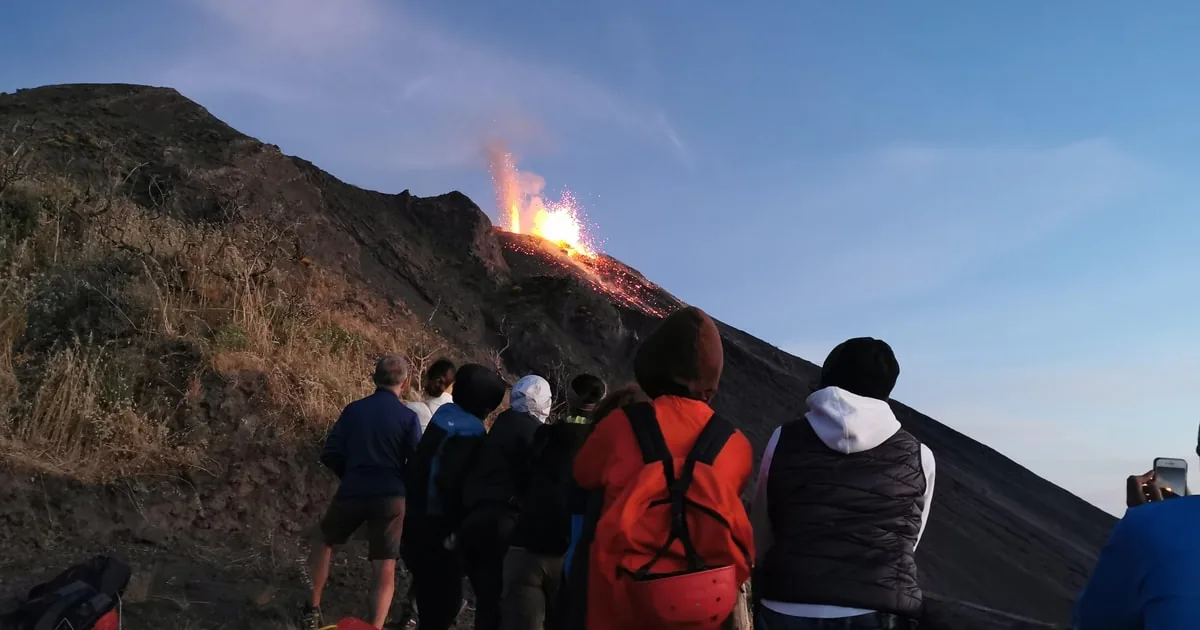
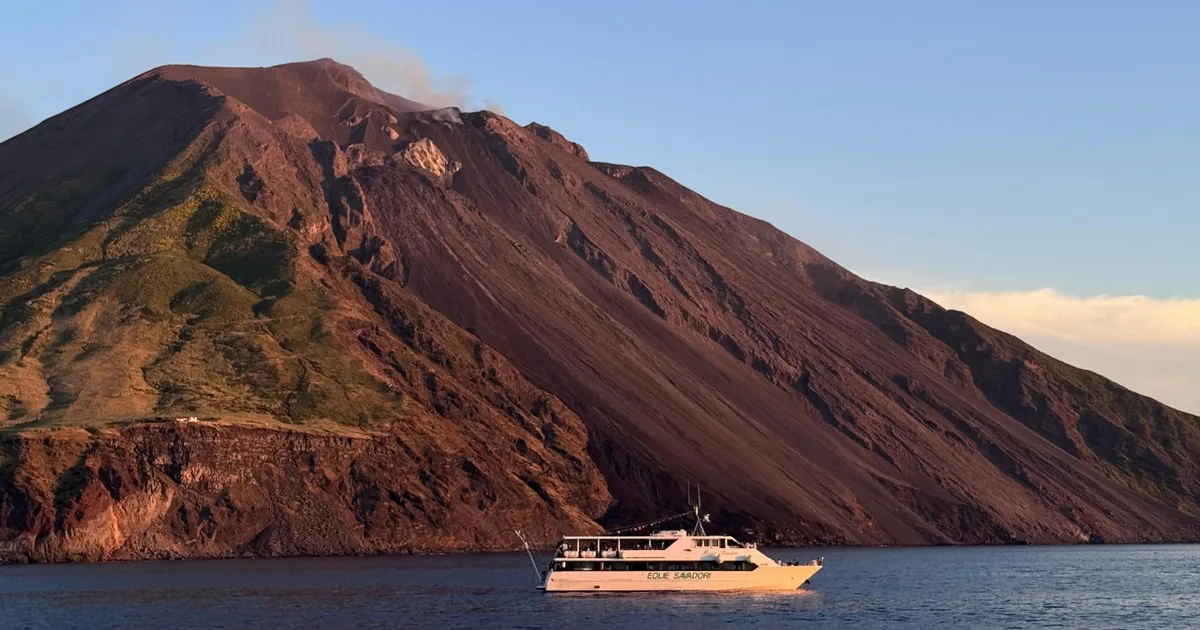
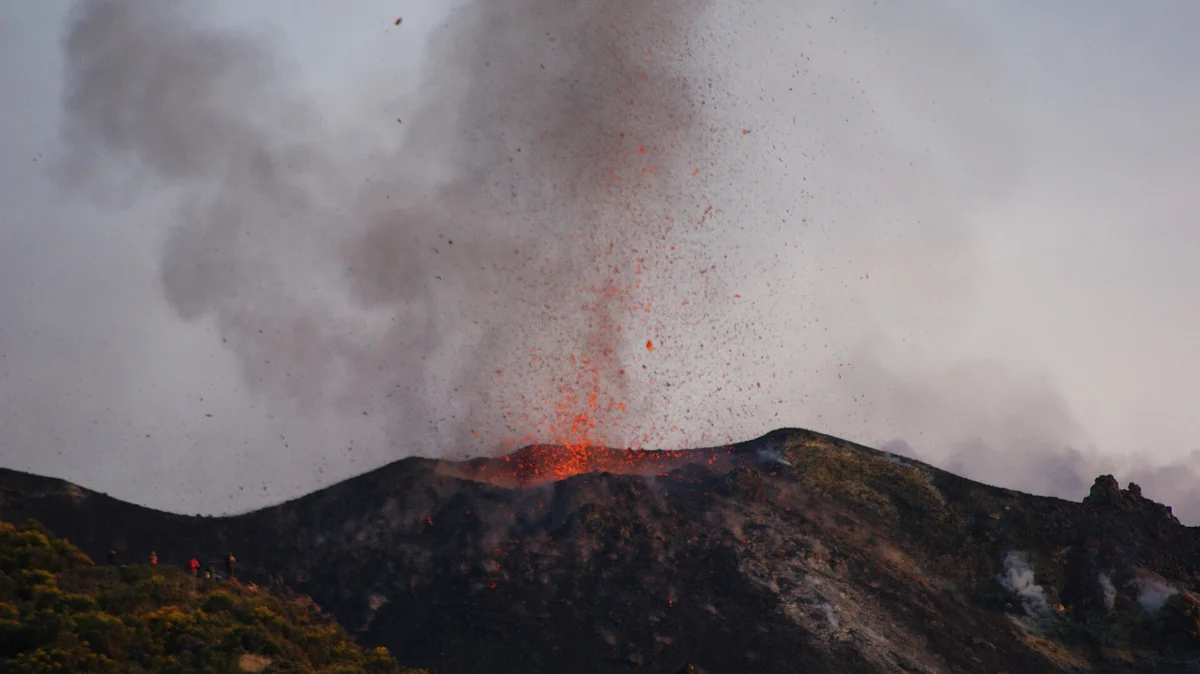
What the free zone cannot do is height. The path tops out at 290 m, well short of the Sciara rim where the guided treks stand at 400 m, and the free side sits on the village side of the mountain rather than facing the craters across the funnel. Set your expectations at glow and silhouette, not eruptions filling the frame, and plan your evenings around a clear sky.
The DIY crossing
Scheduled hydrofoils run to the island, and Liberty Lines fares vary by season, so check the Liberty Lines site for the sailing you have in mind. Milazzo to Stromboli runs year-round, with 8 to 13 daily sailings in high season.
The wider timetable matters if you are building your own route. Milazzo is the practical mainland port, roughly 2.5 hours from Catania by road or train via Messina. Hydrofoils from Milazzo take 1 to 2.5 hours, and the car ferry takes up to 6.5 hours. Lipari to Stromboli runs about 1 to 1.5 hours on the inter-island links, with Panarea 20 to 40 minutes further on. Naples has a seasonal-to-year-round service of 4.5 to 10.5 hours, Messina is seasonal at up to 4 daily sailings of 2 to 4.5 hours, Palermo runs daily in summer at about 6 hours, and Reggio Calabria connects seasonally at about 3 hours 45 via Lipari. Fly into Catania, Palermo or Reggio Calabria, then work backwards from the hydrofoil timetable to book the leg that puts you on the island by late afternoon.
Where DIY loses
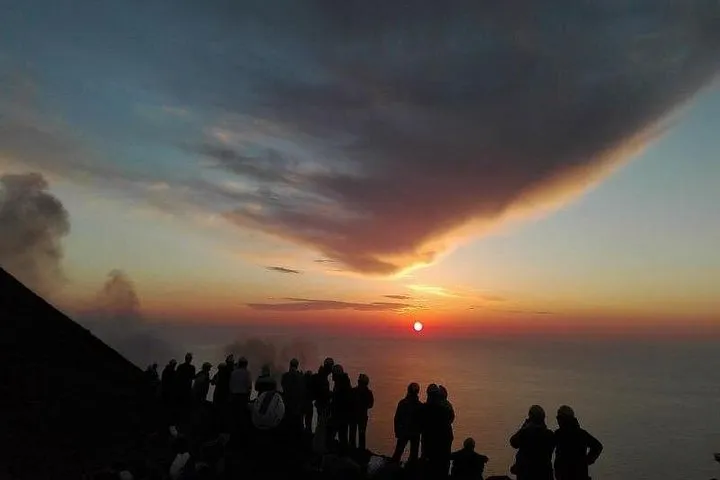
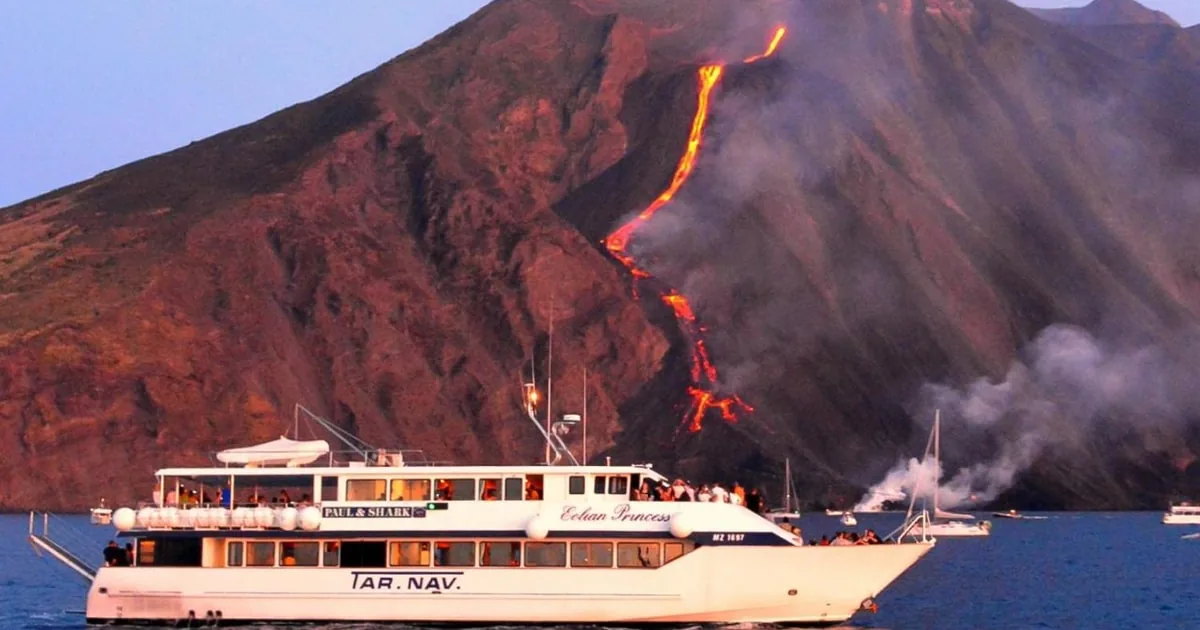
The free zone tops out at 290 m, short of the Sciara rim where the guided treks stand. Sunset timing works against you too: the return hydrofoil often leaves before full dark, while the treks and boats are built around the glow. The descent from the viewpoint is in the dark on scree with torches and a guide who reads the volcano's behaviour in real time, and that part no independent walk replaces.
The guide's role is worth spelling out, because it is the part of the paid tour that a self-planner cannot reproduce. Guides carry helmets, set the pace, hold groups back from the crater edge and monitor the volcano's behaviour while you stand on the rim. Stromboli is monitored around the clock by INGV under a civil-protection alert protocol, and staying inside the altitude limits with a licensed guide is the whole safety system. The 2019 paroxysm killed one hiker, and 2024 produced a strong paroxysm without fatalities. If the free Belvedere glow is enough for you, skip the tour and enjoy it for nothing. If you want the rim and the full dark, book a guided trek and go up properly.
 Stromboli Volcano Tours